
Playing Hockey in Poland: Guide for Import Players (2026/27)


How import players get contracts in Poland: PHL and 1. Liga explained, salaries, import rules, visas, living costs and how clubs recruit. Written by a Gdansk-based hockey agent
Play hockey in Poland, Polish Hockey League imports, PHL import players, hockey contract Poland, Polska Hokej Liga foreigners, European hockey agency
Playing Hockey in Poland: Guide for Import Players
The League Structure
Poland has two national levels relevant for import players:
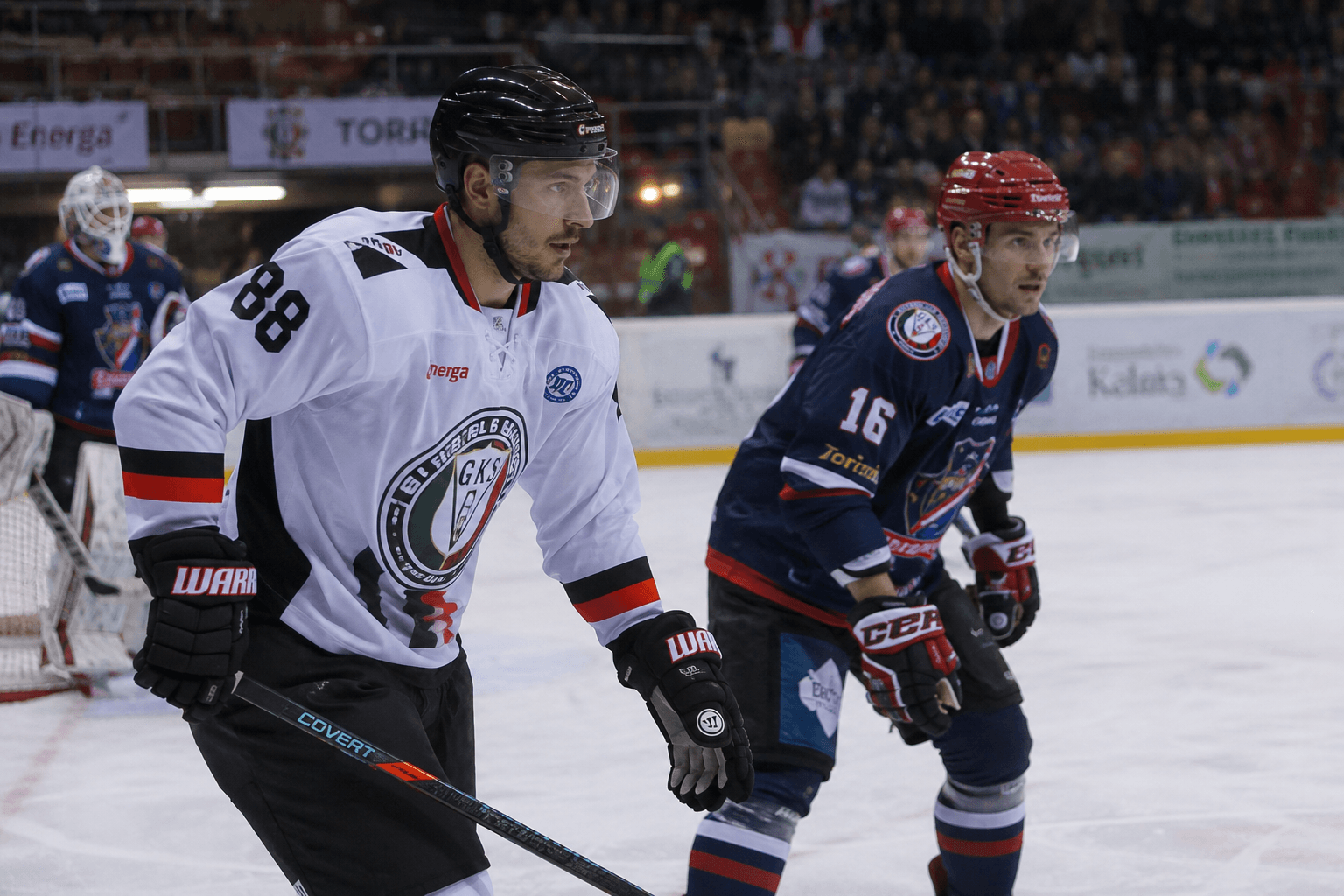
Polska Hokej Liga (PHL)— the top division, usually 8–10 teams. Traditional powers include GKS Katowice, GKS Tychy, Unia Oswiecim and Cracovia. The season runs from September to March, with playoffs in March–April. Teams play 40–50 regular-season games plus playoffs.
1. Liga — the second tier. Budgets are much smaller and most teams carry few or no imports. For a foreign player, the realistic target is the PHL.
There is no relegation pressure comparable to Czech or German hockey, but clubs fight hard for playoff positioning because sponsor money follows results.
Import Rules

PHL clubs are allowed a set number of foreign players on the roster (the limit has moved between seasons — typically clubs dress 4–6 imports per game, with EU-passport players sometimes counted differently). Two things matter in practice:
1. EU passport = huge advantage.An EU citizen often doesn't count against the import limit, which makes you far cheaper to sign in roster terms.
2. Non-EU players (Canadians, Americans, Belarusians, Kazakhs) absolutely get signed — but the club spends an import slot on you, so you're expected to be a top-6 forward or top-4 defenseman, not a depth piece.
Goalies: Polish clubs love import goalies. A starting goalie job in the PHL is one of the most realistic entry points into European pro hockey for a North American netminder.
What Polish Clubs Pay
Ranges vary by club budget, but realistic 2025/26-level numbers for imports:
- Top-6 import forward / top-4 D: €2,000–4,500 net per month
- Star import at a top club (Katowice, Tychy): €4,000–6,000+ net per month
- Import starting goalie:€2,500–5,000 net per month
Standard packages include a furnished apartment, a car (often shared), meals at the rink and equipment. Contracts are typically for one season (10 months), and most salaries are quoted net — always confirm this in writing before signing.
Cost of living in Poland is low by Western standards. A player earning €3,000 net with housing and a car covered saves more than many players earning €4,500 in Germany or Switzerland.
What Clubs Look For
Polish hockey is fast, physical and north-south. Clubs recruiting imports want:
- Forwards who produce.An import forward is expected to be at or near a point per game. Skill without compete level does not survive here.
- Defensemen who move the puck and defend hard.** PHL forechecks aggressively; a slow first pass gets punished.
- Character references.The market is small — GMs call each other. One bad exit from a Polish club follows you around the league.
Video matters more than stats from an unknown league. A clean 5–7 minute shift-by-shift reel from the last season is the single most important document in your file, next to your hockey CV.
Visas and Paperwork
- EU citizens:no permit needed, just registration after arrival.
- North Americans and other non-EU players:the club sponsors a national visa (type D) and work documentation. Clubs experienced with imports handle this routinely — the process takes 3–6 weeks, so contracts signed in July–August lead to arrival in time for camp.
- Players from Belarus, Kazakhstan and other CIS countries: placement is possible, but visa timelines are longer and depend on the consulate. Start the process as early as possible — this is exactly the type of case where an agent who knows the Polish system saves your season.
The Recruiting Calendar

- April–June clubs re-sign core players, GMs build shortlists of imports.
- July–August: the main import signing window. Most deals close here.
- September: camps open; last-minute deals happen when a signed import fails his tryout or medical.
- In-season (October–January): replacement signings only — injuries and releases open spots for players who stayed ready.
If you're reading this in summer without a contract, you are not late — but your materials (CV, video, references) need to be ready to send today, not in two weeks.
Life in Poland as an Import
Most PHL cities (Katowice, Tychy, Cracow, Gdansk, Torun) are comfortable, safe and cheap. English is widely spoken among younger people, and dressing rooms usually run in a mix of Polish and English. Russian-speaking players adapt quickly — many Poles understand Russian, and several PHL rosters already include players from Belarus, Latvia and Kazakhstan.
The travel is easy by European standards: the league is compact, and most road trips are done by bus within 3–5 hours.
How to Get a Contract in Poland
1. Prepare a European-format hockey CV— see our [Hockey CV Template for European Clubs]
2. Cut a shift-by-shift video reelfrom your most recent season.
3. **Target the right level.** If you didn't dominate your last league, the PHL top clubs won't call — but mid-table clubs might.
4. Work with someone inside the market.Polish GMs answer calls from people they know. Cold emails from players get read far less often than a referral from a trusted agent.
Our agency places players in Poland and across Europe on a commission-only basis — no upfront fees. If you want an honest assessment of whether the PHL is realistic for you, [send us your profile]